Church Building Model for Fundraising: Showing Your Vision
A congregation gives more readily to a building it can see. When members only hear a description of the new sanctuary, pledges come slowly. A physical model lets them walk around the design and picture their own place in it, so you can show the vision clearly. Take the first step toward yours.
See everything Moriasi3D Models can do for you.
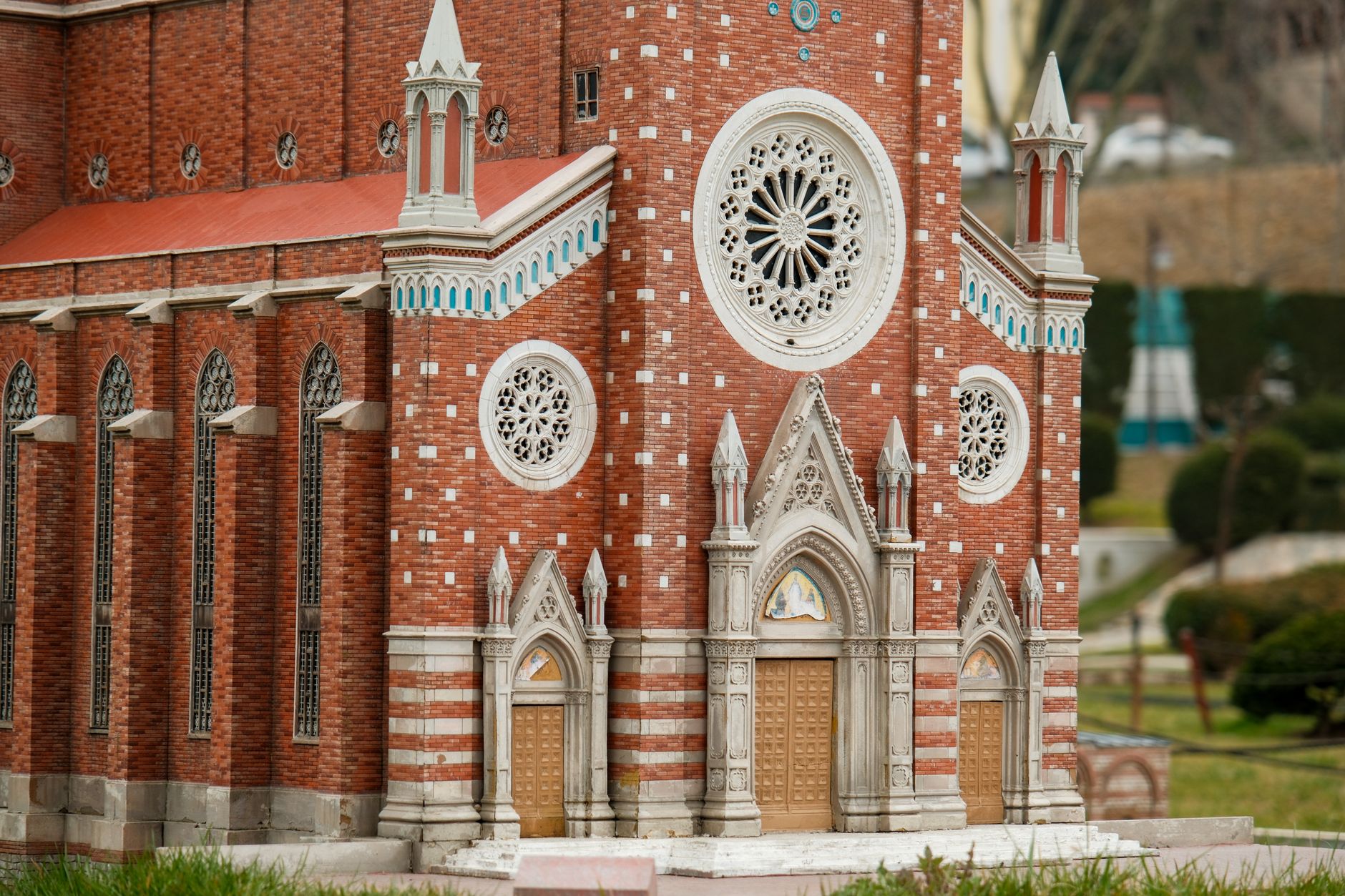
Every church building project starts with a dream that only a few people can see clearly. The pastor, the building committee and the architect have lived with the drawings for months, but most members have only heard a description. When it is time to ask the congregation for pledges, that gap between vision and understanding can slow a campaign badly. A church building model for fundraising closes that gap by putting the proposed sanctuary on a table where everyone can walk around it and point. Among the many architecture designs kenya produces every year, church projects are some of the most emotionally important, because the people paying for the building are also the people who will worship in it. This guide explains how a physical model helps committees and pastors present their design, raise funds with confidence and avoid costly changes later.
Why a Church Building Model Works Better Than a Drawing
Most members of a congregation are not trained to read floor plans and elevations. A set of architectural drawings is full of lines, symbols and dimensions that mean a great deal to an architect and very little to a farmer, a teacher or a matatu operator. When such drawings are pinned on a wall during a meeting, people nod politely but leave with only a vague idea of what is being proposed. That quiet confusion is often mistaken for lack of interest, when it is really lack of understanding. Describing the plan out loud for longer rarely fixes this, because listeners still have to build the picture in their own heads.
A physical model removes the need to translate anything. Standing over it, a member can see where the sanctuary sits, how wide the entrance is and how much space is left for the car park, the Sunday school block or the future bell tower. The roofline shows the height of the main hall. The spacing between the pulpit and the first row of seats becomes obvious at a glance. People who struggle with paper plans often understand a model in seconds and begin asking sharp, useful questions.
Seeing the building in three dimensions also builds trust, and trust is what a fundraising campaign runs on. When a committee brings a carefully made model, members see that real thought has gone into the project and that the leaders are serious about delivering it. Donors are far more comfortable giving to something they can picture than to an idea described in words. A model says that the plan is ready, the design is settled and the money will go into something concrete. Members can also describe it to relatives and friends who have not seen the drawings, which helps the vision travel beyond the people in the room.
Using a Church Building Model for Fundraising Campaigns
The most effective way to use the model is to give it a proper moment. Many churches hold a dedicated fundraising launch, often after a Sunday service or on a special Saturday, and place the model at the centre of the hall. A cloth covering that is removed at the right moment gives the unveiling a sense of occasion. Members then gather around it, take photographs and begin talking about the future building as if it already stood on the plot. That excitement is the best possible start to a pledge drive.
The model works best when it sits beside a clear budget breakdown. Donors in Nairobi and across East Africa want to know where their money will go, whether it is foundations, walls, roofing, finishes or furnishings. A simple board next to the model can show the estimated cost of each part of the building, so a person can look at the roof and see exactly what it will cost. This pairing of something visible with something measurable answers questions before they are asked. It also protects the committee from rumours about how funds will be used.
Marking the phases of construction on the model gives every pledge a visible purpose. Many churches build in stages, perhaps starting with the main hall and adding the offices, classrooms or tower later. If each phase is shown in a different colour or on a removable section, a member can see precisely what their contribution will complete. A family pledging toward the foundation can see that stage, and a youth group raising money for the roof can point to theirs. This turns a large and intimidating total into a series of achievable goals that members can take ownership of.
Choosing the Right Scale and Detail Level
The first practical decision is the scale, and it should be guided by where the model will be shown. A model that sits in the church hall or foyer for months needs a footprint that fits on a sturdy table without blocking movement. For a typical church on a modest plot, a scale such as 1:100 or 1:200 often works well, depending on the size of the compound. A larger scale shows more detail but takes more space and costs more to build. Your model maker can help you weigh these trade-offs against the room you actually have.
Detail matters, but only the right detail. The windows, the roofline and the altar area should be clear enough that members recognise the church they have been told about. Stained glass openings, the shape of the entrance, the cross on the gable and the layout of the platform are the features people look for first. Landscaping, access paths and parking help the congregation understand how the building sits on the plot. Fine details that nobody will notice from a metre away are better left out, because they raise the cost without adding any value to the campaign.
Durability is easy to forget until the model has been handled by two hundred people. A fundraising model is touched, carried to meetings, loaded into vehicles and sometimes taken to branch churches or to donors in other towns. It should be built with strong materials, firm joints and a protective base so that it survives repeated handling and transport. A removable cover or a simple carrying case can prevent most accidents. Planning for this at the start saves the embarrassment of a cracked roof on the day of the biggest presentation.
Presenting the Model to Members and Donors
Before the model is shown to the whole congregation, the building committee should sit with it privately. Walking through every part of the design as a small group helps leaders spot questions and uncertainties early. The pastor, the treasurer and the committee chair can agree on how they will describe the building and the phases. This rehearsal makes the public presentation smoother and shows unity among the leaders. A congregation that sees united leadership is much more willing to give.
Different groups in the church care about different parts of the building, so short and tailored explanations work well. Elders may want to see the sanctuary, the seating capacity and the arrangement of the altar. Women's groups often ask about the kitchen, the nursery and the safety of the stairs, while youth ministries want to know where they will meet and rehearse. Preparing a few sentences for each group shows that every part of the church family has been considered. It also encourages each group to take part in raising funds for the spaces that matter to them.
A model is also a listening tool, and the presentation should include time for feedback. Members may notice that the aisles feel narrow, that the choir has too little room or that the entrance is too close to the road. Collecting these comments on paper while the model is still on display allows the committee and architect to review them calmly. Changes made at this stage cost almost nothing compared with changes made after the walls are up. Members who feel heard also tend to give with more commitment, because they have helped shape the building.
Working With an Experienced Model Maker in East Africa
A good model begins with good information, so share the architectural drawings with your model maker as early as possible. The model should match the approved designs exactly, including heights, openings and the position of the building on the plot. If the drawings are still changing, say so at the start so the work can be planned around it. At Moriasi3D Models, we work from the architect's plans and confirm details with the committee before any cutting begins. That care prevents a model that looks lovely but disagrees with the real project.
Timing deserves as much attention as design. Work backwards from the date of your fundraising launch and allow enough time for drawings, building, review and any corrections. A model delivered the night before the event leaves no room for fixes, while one finished two weeks ahead allows photographs and a calm rehearsal. It is also wise to agree on a budget early, since the scale, the detail and the materials all affect the price. A clear timeline and budget make the whole process easier for both sides.
Experience in the local environment helps with the choice of materials. A model maker who has worked across East Africa understands how dust, sunlight and the occasional damp season affect display pieces over months. We can recommend materials that are sturdy, attractive and suited to Nairobi conditions without pushing the cost beyond what a church can reasonably afford. Our workshop on Mucai Road, off Ngong' Road, is open to committees who would like to see past work and discuss options in person. Many of our clients are building committees, and we are used to guiding people who have never commissioned a model before.
A church building is built with faith, but it is also built with pledges, planning and the confidence of a united congregation. A church building model for fundraising turns an abstract design into something every member can see, touch and believe in. It helps leaders explain the budget, show the phases and invite honest feedback before construction begins. With the right scale, sensible detail and a sturdy build, the model can serve the campaign for months and remain a treasured keepsake after the church is complete. If your committee is preparing to present a design and raise funds in Nairobi or elsewhere in East Africa, talk to an experienced model maker early and let your vision be seen as clearly as it is felt.
See everything Moriasi3D Models can do for you.
Visit Moriasi3D Models →